Why are developmental toys important?
Why are developmental toys important?
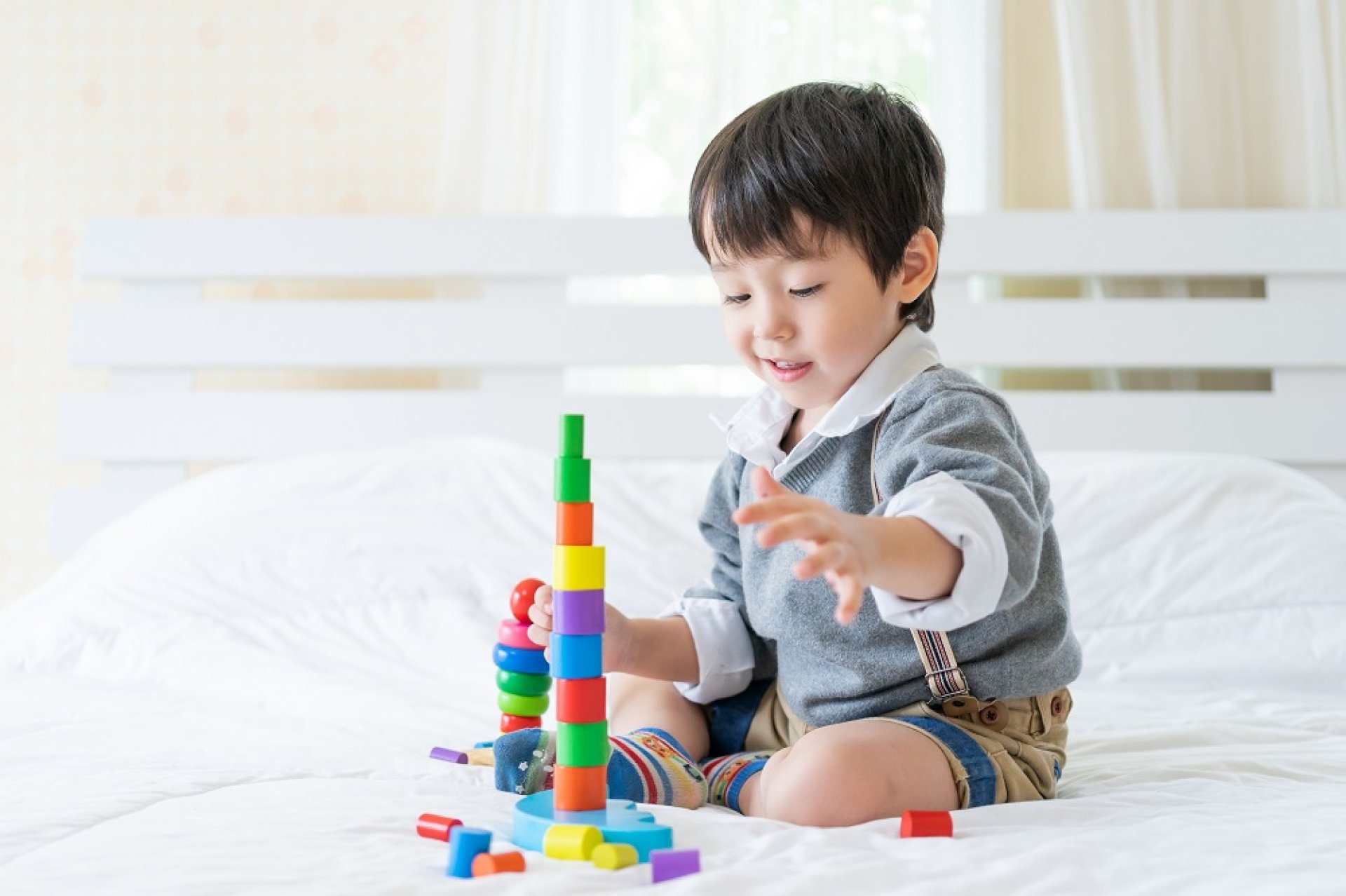
Developmental toys play a crucial role in helping to develop and enhance various skills in children, especially during the stage when their brains are growing rapidly. Choosing toys that are appropriate for the child's age helps stimulate learning and growth in multiple areas, including cognitive development, muscle development, creativity, and social skills
1. Cognitive Skills
Toys designed to promote cognitive skills, such as matching games, puzzles, or toys that require problem-solving, effectively stimulate children's thinking and learning development
2. Physical Skills
Toys that encourage movement, such as balls or toys that can be thrown or rolled, help children develop gross motor skills and improve hand-eye coordination
3. Social Skills
Playing with friends or family members using toys that require sharing or collaboration, such as board games or toys that can be played in groups, helps develop social skills and communication in children
4. Language Skills
Toys that promote language learning, such as picture books or toys that require verbal interaction with the child, help stimulate the use of new vocabulary and understanding of stories or different situations
5. Creativity
Toys that stimulate imagination, such as kitchen sets or tool sets, allow children to create their own stories, fostering creativity and problem-solving skills in real-life situations
Developmental toys play a crucial role in helping to develop and enhance various skills in children, especially during the stage when their brains are growing rapidly. Choosing toys that are appropriate for the child's age helps stimulate learning and growth in multiple areas, including cognitive development, muscle development, creativity, and social skills
1. Cognitive Skills
Toys designed to promote cognitive skills, such as matching games, puzzles, or toys that require problem-solving, effectively stimulate children's thinking and learning development
2. Physical Skills
Toys that encourage movement, such as balls or toys that can be thrown or rolled, help children develop gross motor skills and improve hand-eye coordination
3. Social Skills
Playing with friends or family members using toys that require sharing or collaboration, such as board games or toys that can be played in groups, helps develop social skills and communication in children
4. Language Skills
Toys that promote language learning, such as picture books or toys that require verbal interaction with the child, help stimulate the use of new vocabulary and understanding of stories or different situations
5. Creativity
Toys that stimulate imagination, such as kitchen sets or tool sets, allow children to create their own stories, fostering creativity and problem-solving skills in real-life situations
Related Content

The period from birth to 5 years is when a child's brain and various developments progress the most rapidly. Parents play a crucial role in fostering both education and creating appropriate activities to support development in all aspects

Selecting the right supplements for children is essential for parents to consider. Proper supplementation helps support a child’s health and development during crucial growth stages. Several factors should be taken into account to ensure that children receive the necessary nutrients for optimal growth

Supplements for children are very important during the stage when they are growing and developing rapidly. Providing complete nutrition helps promote growth and strengthen the child's immune system. If a child does not receive sufficient nutrients from their regular diet, supplements can help fill the nutritional gaps
